
A calm sunset
- When
- the sun sets
- And if
- the room is occupied
- Then
- warm and dim the lights
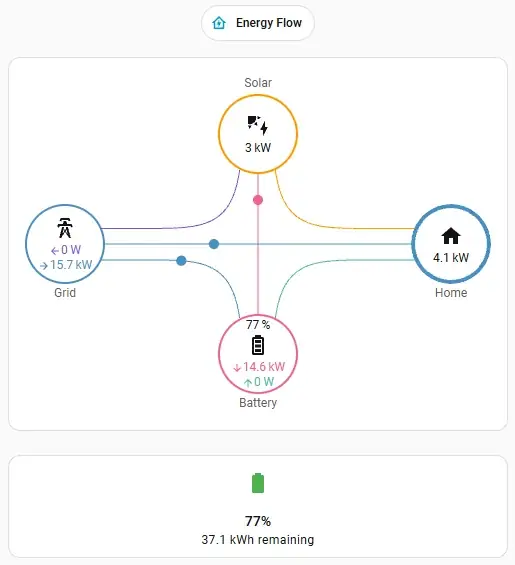
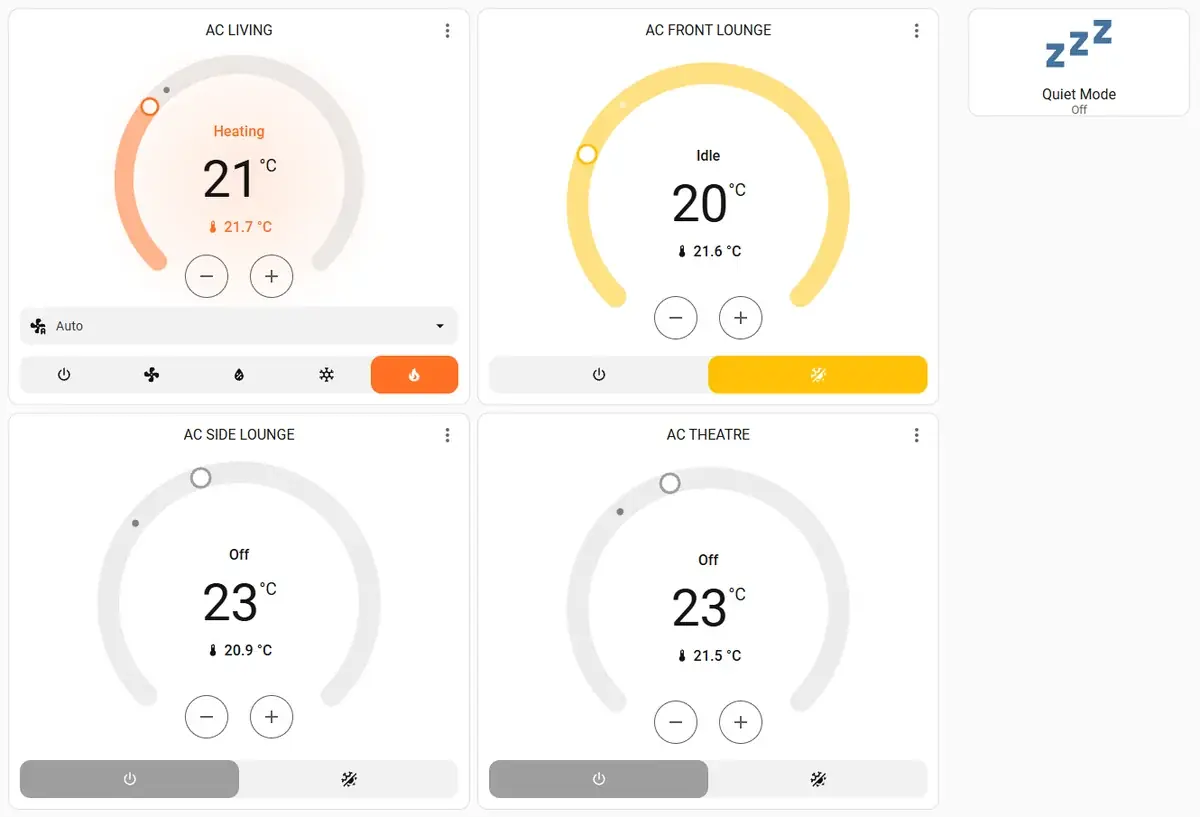
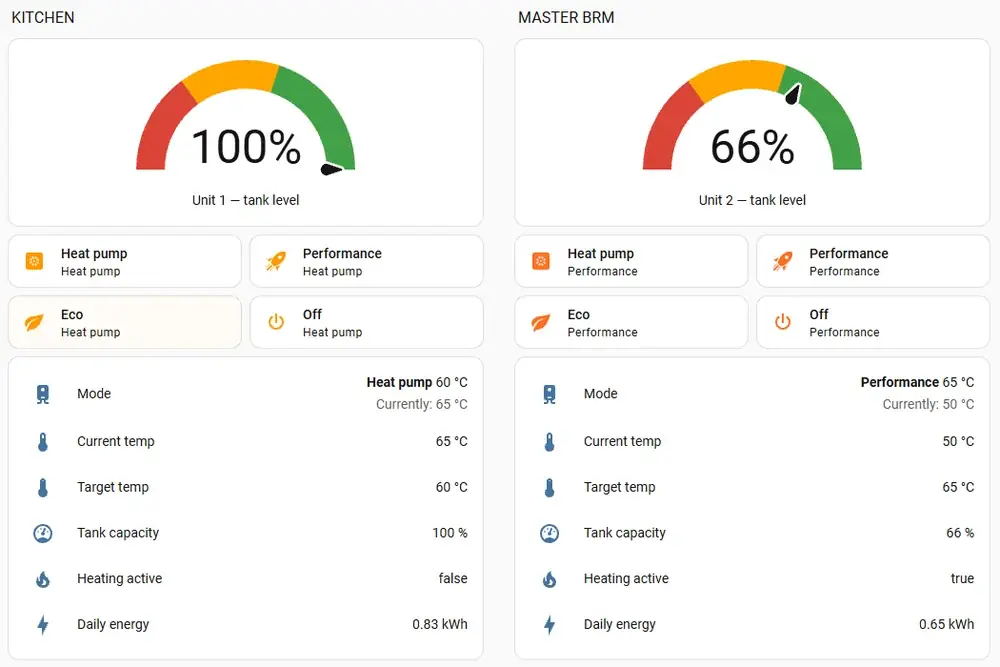
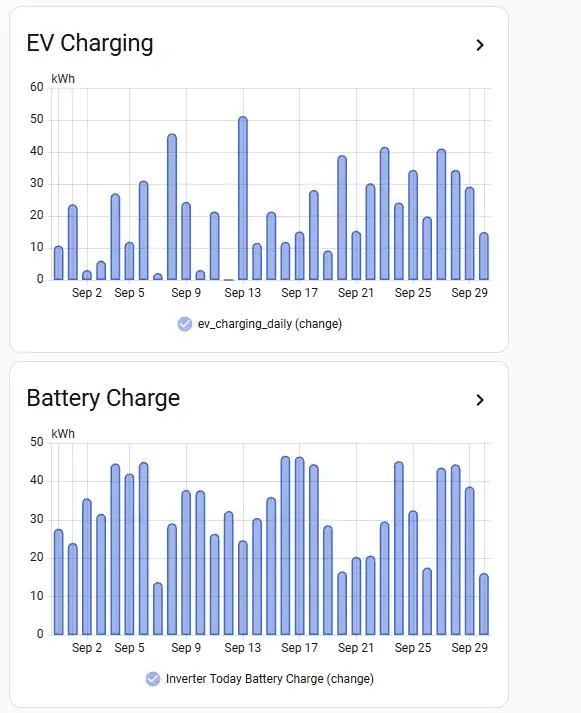
Rooftop solar, a 48 kWh battery, an electric car, eight air-conditioning zones and two heat-pump hot water units, working together every day. Private details are left out.
The picture follows the real house. Dots show which way power is moving, including into the car while it charges. The battery fills to its real level, and the scene turns to night when the panels stop producing.
Energy readings and the car's charge level only. No cameras, locks, location or controls are ever published.
How privacy is handledWaiting for the latest reading.
What the house does by itself, from sunrise to overnight.
The home's electricity plan includes free power during the daytime. Flexible loads move into that window on their own:
Why it works: every machine checks it is ready first, and a simple "dishwasher loaded" switch keeps a person in charge.
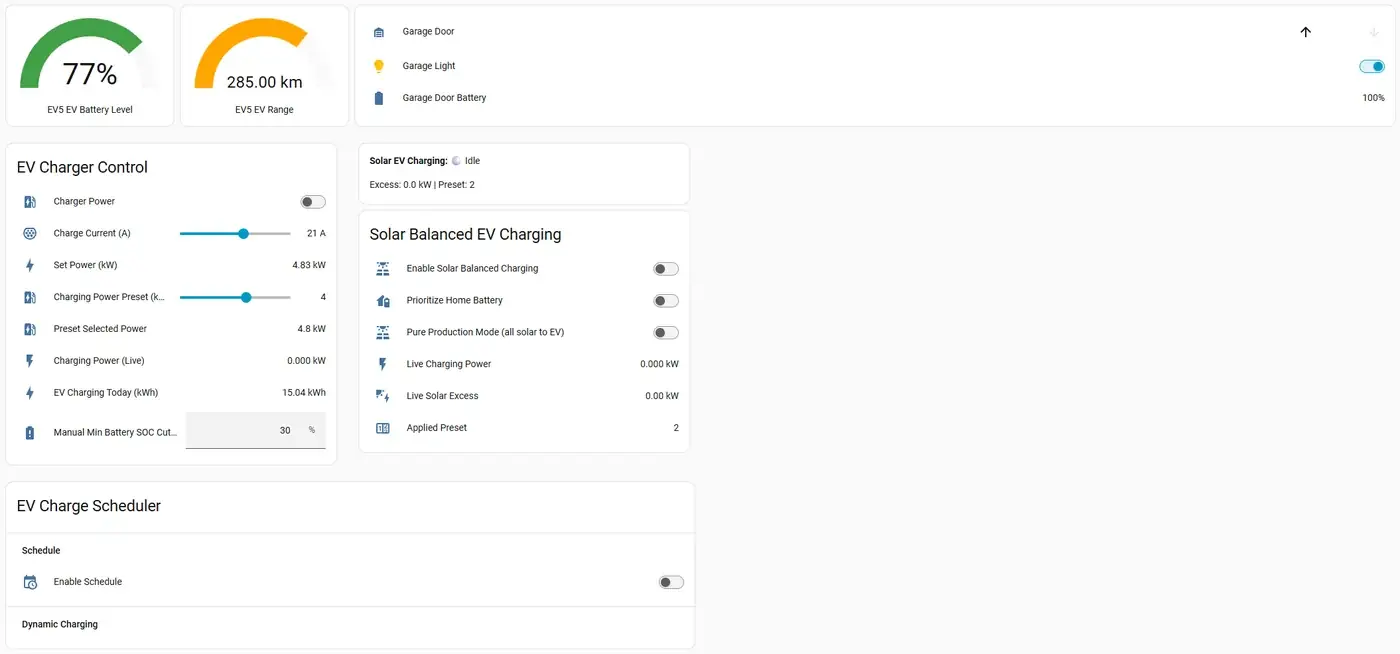
Outside the free daytime window, charging follows measured solar surplus, with three safety checks:
Lesson learned: the plug-in check now reads the charger's own local sensor, after the car maker's cloud went stale during an outage.
Wall controllers and manufacturer apps still work. Home Assistant puts them side by side.
None of these are flashy. They are why the flashy ones can be left running.
A battery jumping from 0% to 50% in ten seconds is a glitch. It is logged, not acted on.
After a scheduled switch, the system confirms it happened, retries once, then alerts.
After a restart, the battery is put back into the right mode.
A kitchen light turns on when there is spare solar. A good moment to run something.
The laundry fan follows humidity and temperature, with a 90-minute cap.
It opens for recognised vehicles and closes on departure. Remotes and safety sensors stay in charge.
Short demonstrations of the logic. They are not footage from a customer home.
I will help you find the ones worth doing first.
Ask a question